
Rapid, coordinated action after a blaze determines whether a property can be restored to its pre-loss condition or suffers permanent damage. The fire damage cleanup process encompasses initial assessment, water and smoke remediation, contents restoration, and final reconstruction. Homeowners and facility managers gain clarity on each stage and understand how professional teams—such as those offering Fire Damage Restoration Services – Tidal Restoration—apply IICRC-certified techniques.
Fire Damage Restoration: A Comprehensive Guide
This guide provides a detailed overview of the fire damage restoration process, including initial assessment, water and smoke remediation, contents restoration, and reconstruction. It emphasizes the importance of professional guidance and IICRC-certified techniques.
This source provides the industry standards and techniques referenced throughout the article, ensuring the information aligns with professional practices. This guide outlines:
- Initial response and damage documentation
- Water extraction and mold prevention
- Smoke and soot remediation methods
- Cleaning, sanitizing, and contents restoration
- Repair and reconstruction workflow
What Are the Initial Steps in the Fire Damage Restoration Process?

The initial phase defines scope, safety and planning by combining a detailed damage assessment with immediate stabilization measures that prevent further loss and speed insurance claims.
How Is Fire Damage Assessed by Professionals?
Technicians perform a systematic inspection to quantify structural compromise, smoke penetration and water intrusion, using moisture meters and infrared imaging to create a prioritized action plan.
What Immediate Actions Should You Take After a Fire?
Before professional crews arrive, occupants should:
- Secure utilities by shutting off gas, electricity and water to reduce hazards
- Ventilate the space with open windows to lower temperature and clear smoke
- Prevent unauthorized entry by boarding windows or doors
These measures stabilize conditions and set the stage for detailed remediation.
How Do You Document Fire Damage for Insurance Claims?
Accurate records accelerate claims processing. Owners should:
- Photograph every affected room, focusing on soot-stained surfaces and warped materials
- Inventory damaged items with descriptions, purchase dates and receipts when available
- Use video walkthroughs to capture damage context, narrating observations
Well-organized documentation ensures full coverage and links the assessment to repair estimates.
How Is Water Damage Managed During Fire Cleanup?
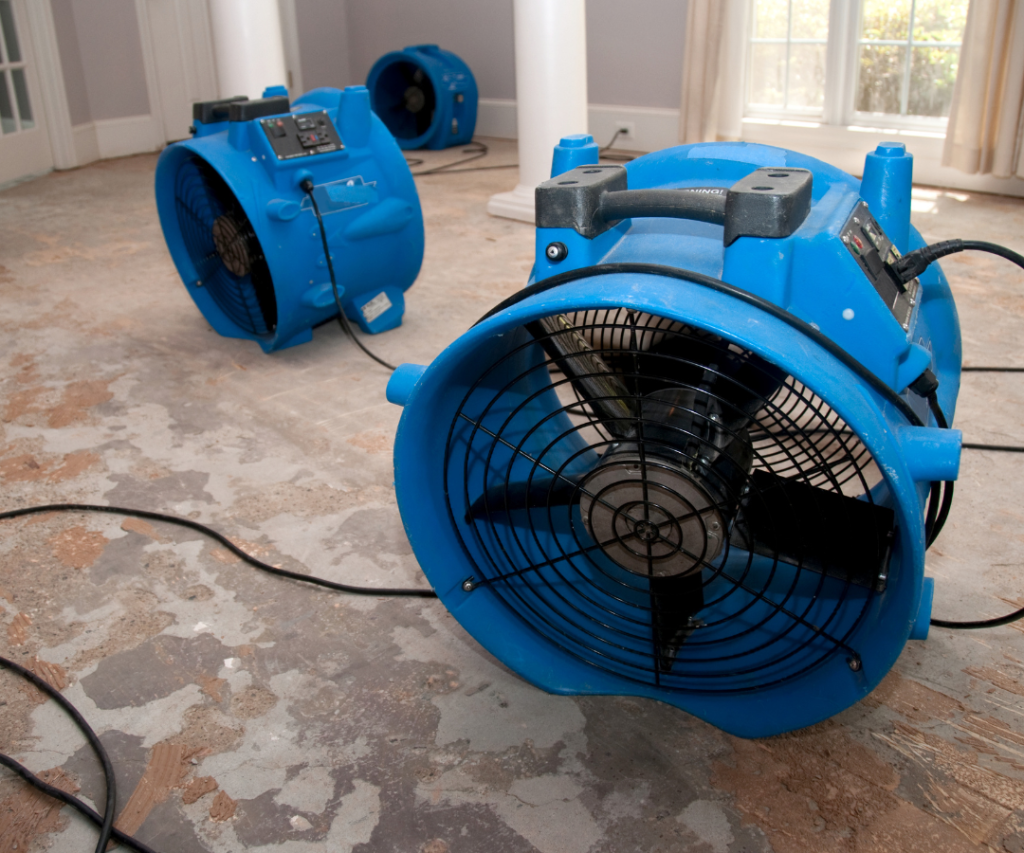
Water used to extinguish flames often saturates building assemblies, creating urgent drying and dehumidification requirements that block mold colonization and structural weakening.
What Are the Techniques for Water Extraction and Structural Drying?
Professionals deploy industry-grade pumps, industrial dehumidifiers and high-volume air movers to: water mitigation.
- Remove standing water within the first 24 hours
- Circulate heated, low-humidity air through wall cavities
- Monitor moisture levels until readings return to safe thresholds
Fast drying mitigates microbial growth and preserves framework integrity.
How Can Mold Growth Be Prevented After Fire-Related Water Damage?
Preventive protocols include:
- Applying EPA-registered antimicrobials to damp surfaces
- Maintaining relative humidity below 50% with continuous dehumidification
- Conducting daily moisture inspections in hidden voids
Consistent monitoring and treatments interrupt mold’s 24–48 hour germination window.
Water Damage and Mold Prevention
The article highlights the critical need for rapid water extraction and dehumidification to prevent mold growth after a fire. It emphasizes the use of EPA-registered antimicrobials and continuous monitoring to mitigate mold development.
This source supports the article’s recommendations for preventing mold growth by providing information on EPA-approved methods and guidelines.
What Are the Best Methods for Smoke and Soot Cleanup After Fire Damage?
Effective smoke remediation neutralizes airborne contaminants and surface residues to restore air quality and appearance, while specialized soot removal safeguards materials from corrosive byproducts.
How Do Different Types of Smoke and Soot Affect Cleanup Methods?
Smoke and particulate residues vary by fuel source and combustion temperature, requiring tailored approaches:
| Soot Type | Characteristic | Cleaning Method |
|---|---|---|
| Dry Soot | Light, powdery residue | HEPA vacuum and dry-cleaning sponge |
| Wet (Oily) Soot | Sticky, smear-forming deposit | Alkaline cleaner solution and rinsing |
| Protein Smoke | Yellowish film with pungent odor | Biodegradable enzyme cleaner |
Cleaning protocols match residue properties and surface porosity, ensuring full restoration without damage to finishes.
What Advanced Smoke Odor Removal Techniques Are Used?
Professionals enhance odor control through:
- Thermal fogging to deposit deodorizing agents in porous materials
- Ozone treatment to oxidize odor molecules at the molecular level
- Negative-ion air scrubbers that capture ultrafine particulate and VOCs
Smoke and Soot Cleanup Techniques
The article details various methods for smoke and soot cleanup, differentiating approaches based on soot type and surface material. It also discusses advanced odor removal techniques like thermal fogging and ozone treatment.
These techniques complement mechanical cleaning by targeting embedded smoke compounds.
How Is Soot Removed from Various Surfaces Like Walls and Furniture?
Surface-specific strategies include:
- Walls: dry sponge pre-vacuum, followed by pH-balanced detergent wash
- Upholstery: HEPA vacuum, foam-injection cleaning and thorough drying
- Wood furniture: gentle wet cleaning with wax-infused restorers to seal grain
Tailoring methods preserves substrates and reduces re-contamination risk.
Why Is HVAC System Cleaning Important After Smoke Damage?
Smoke infiltrates ductwork, dispersing odors and soot with every airflow cycle. Professional HVAC cleaning restores air handlers, coils and duct interiors to prevent re-release of contaminants during occupancy.
How Is Cleaning, Sanitizing, and Contents Restoration Performed After Fire Damage?
Deep-clean protocols combine mechanical removal of residues with antimicrobial treatments to deliver safe, habitable spaces and return personal property to serviceable condition.
What Are the Professional Cleaning and Sanitization Protocols?
Restoration teams typically:
- Apply EPA-approved disinfectants to structural surfaces
- Use microfiber technology for residue capture without cross-contamination
- Perform post-treatment air quality tests to confirm contaminant levels
These protocols ensure both visible and invisible hazards are eliminated.
How Are Personal Belongings Restored After Fire Damage?
Contents specialists categorize items for onsite cleaning, pack-out or disposal. Techniques include:
- Ultrasonic cleaning for metal and glass artifacts
- Freeze-drying for charred documents and photographs
- Specialized laundering for textiles with smoke-neutralizing agents
Each method matches material tolerance and damage extent.
What Specialized Cleaning Methods Are Used for Fire-Damaged Items?
A comparative overview highlights key restoration techniques: restoration techniques
| Item Type | Specialized Method | Benefit |
|---|---|---|
| Documents & Photos | Freeze-drying | Prevents ink bleed and distortion |
| Electronics | Ultrasonic vapor degrease | Removes soot without water intrusion |
| Textiles | Ozone chamber neutralization | Eliminates odor and disinfects |
What Does the Repair and Reconstruction Phase Involve in Fire Damage Restoration?
Final rebuilding transforms remediated structures and systems back into safe, warranty-grade living or working environments through coordinated construction management.
How Are Fire-Damaged Structures Repaired and Rebuilt?
Reconstruction teams execute:
- Replacement of charred framing, sheathing and drywall
- Installation of new insulation, wiring and plumbing per code
- Finishing work—painting, trim and flooring—to match original aesthetics
Rigorous quality checks during each trade ensure long-term performance.
What Is the Typical Timeline for Fire Damage Repairs and Reconstruction?
A standard timeline unfolds as:
- Planning and permitting (1–2 weeks)
- Structural repairs and system installations (2–4 weeks)
- Finishes and quality testing (1–2 weeks)
Project duration varies with damage severity and local inspection cycles. water damage
How Is Final Inspection and Quality Assurance Conducted?
A multi-point checklist verifies:
- Building code compliance for electrical, mechanical and structural work
- Absence of residual odors or moisture via final air and humidity readings
- Customer walkthrough to confirm satisfaction before project closeout
This ensures every restoration meets professional and regulatory standards.
Professional restoration combines rapid response, certified methods and industry-leading equipment to fully rehabilitate fire-impacted properties. A coordinated approach from assessment through reconstruction protects occupants, preserves value and restores peace of mind.
About the Author: Rhett Newton
Born and raised in St. Petersburg, Florida, Rhett Newton is a seasoned restoration and insurance professional with a strong foundation in business, insurance, restoration and remediation. A graduate of Shorecrest Preparatory School, Rhett went on to earn his degree in Business Administration from the University of Central Florida. Rhett began his career in the insurance industry, securing both his 220 and 440 adjuster licenses. He gained valuable experience working as a licensed adjuster before transitioning into the restoration and mitigation field with SERVPRO. Over the years, Rhett worked his way through nearly every role in the organization—from technician and project manager to sales representative—eventually becoming Regional Sales Manager for the second largest SERVPRO franchise in the country. His hands-on experience and leadership across both insurance and restoration industries have made him a respected and knowledgeable figure in the field.